Laytonsville is a small residential community in northern Montgomery County where larger lots, outbuildings, and vehicle-use surfaces are common. Concrete needs here often center on driveways, parking and RV pads, garage and carport slabs, and specialty pads for sheds and equipment — each planned around its intended load rather than one universal slab spec.
Larger Lots, Vehicle Surfaces and Specialty Pads
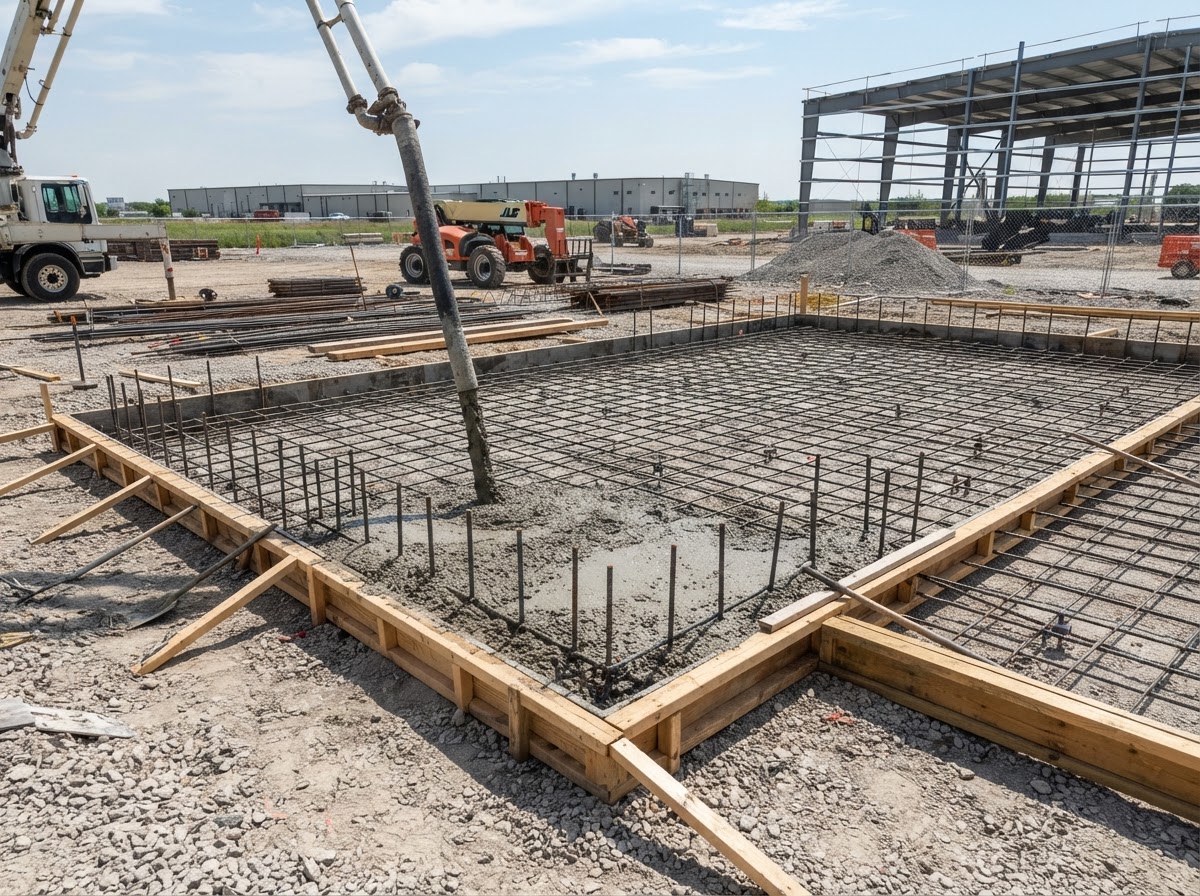
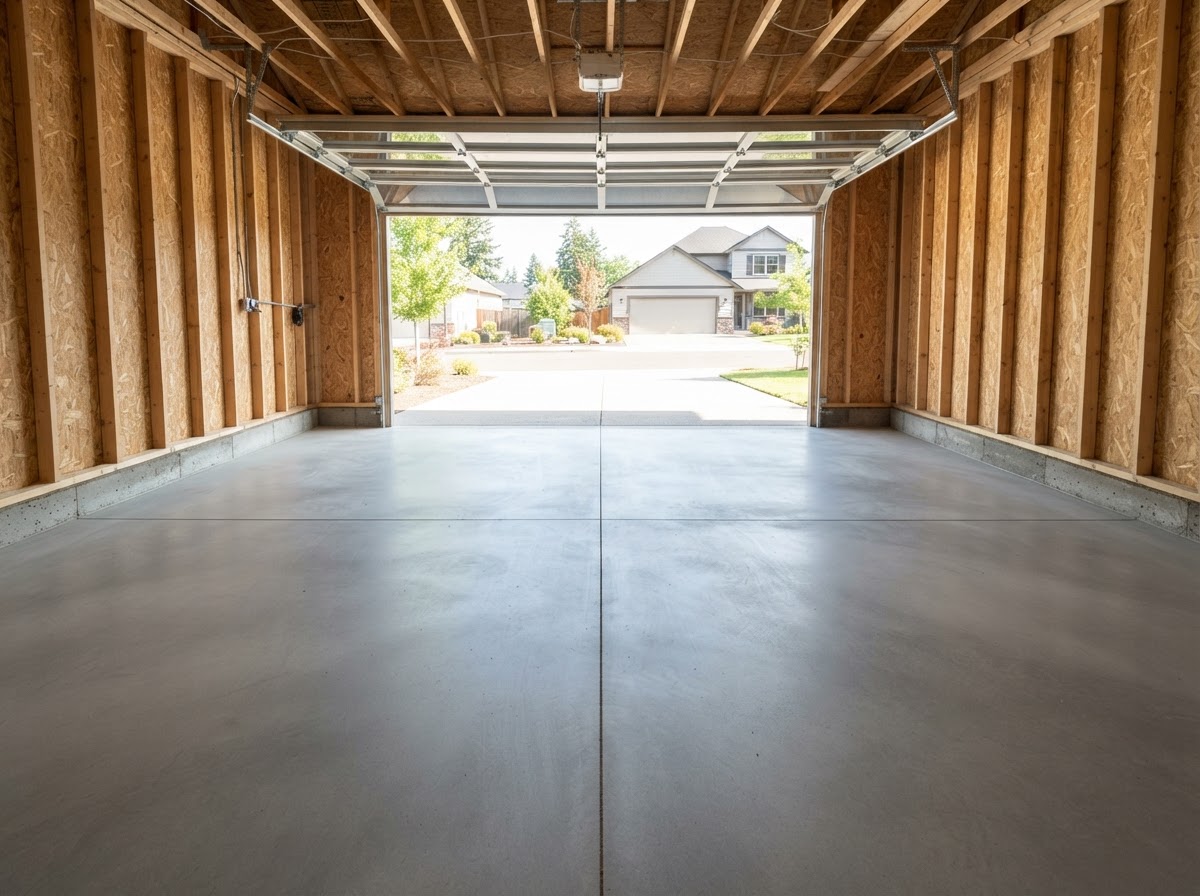
On larger Laytonsville lots, a single property may combine a driveway, a parking or RV pad, a garage or carport slab, a shed pad, and a generator or equipment pad. Because these surfaces carry different loads — daily vehicle traffic versus a camper or standby generator — base preparation, thickness, and reinforcement vary by project rather than following one fixed spec. See our concrete thickness, base, and reinforcement guide for the variables that affect slab planning.
Drainage, Runoff and Vehicle Surfaces
Where a driveway, parking pad, or garage approach traps water or slopes toward a foundation, the surface deteriorates faster and the base can erode. On larger lots with longer runs of vehicle concrete, drainage across the surface and away from structures matters more, not less. Trench drains, regrading, or coordinated drainage planning may be part of the scope where runoff is the underlying issue. See our drainage and water-management guide for how runoff and slope affect concrete.
Maryland Freeze-Thaw and Deicing Exposure
Exterior concrete in Laytonsville faces Mid-Atlantic seasonal conditions: freeze-thaw cycles through winter, spring rainfall, summer heat, and fall temperature swings. Moisture that enters a slab and freezes can cause surface scaling and spalling over time, and deicing salts on driveways, parking pads, and garage approaches increase scaling risk. Drainage, sealing, joint placement, and finish selection all influence long-term performance. Our freeze-thaw and deicing guide covers common seasonal deterioration factors, and our concrete curing guide covers how new concrete gains strength before vehicle or equipment use.
Planning Vehicle and Equipment Slabs
Because vehicle and equipment loads vary, we plan each slab around intended use, access, base, drainage, and reinforcement where appropriate — a daily-use driveway, an RV pad, and a generator pad are not designed the same way. A sound slab with surface wear may be a resurfacing candidate; a settled but intact slab may be a leveling candidate; widespread cracking or a failed base usually points to replacement. Where a project involves a structure or the public right-of-way, permit or approval requirements depend on project type, property jurisdiction, and scope — see our local permit guide for where to verify current requirements.